Bitcoin's $70K Standoff: Unpacking Selling Pressure Amid Resilient Demand
Bitcoin's $70K Standoff: Unpacking Selling Pressure Amid Resilient Demand
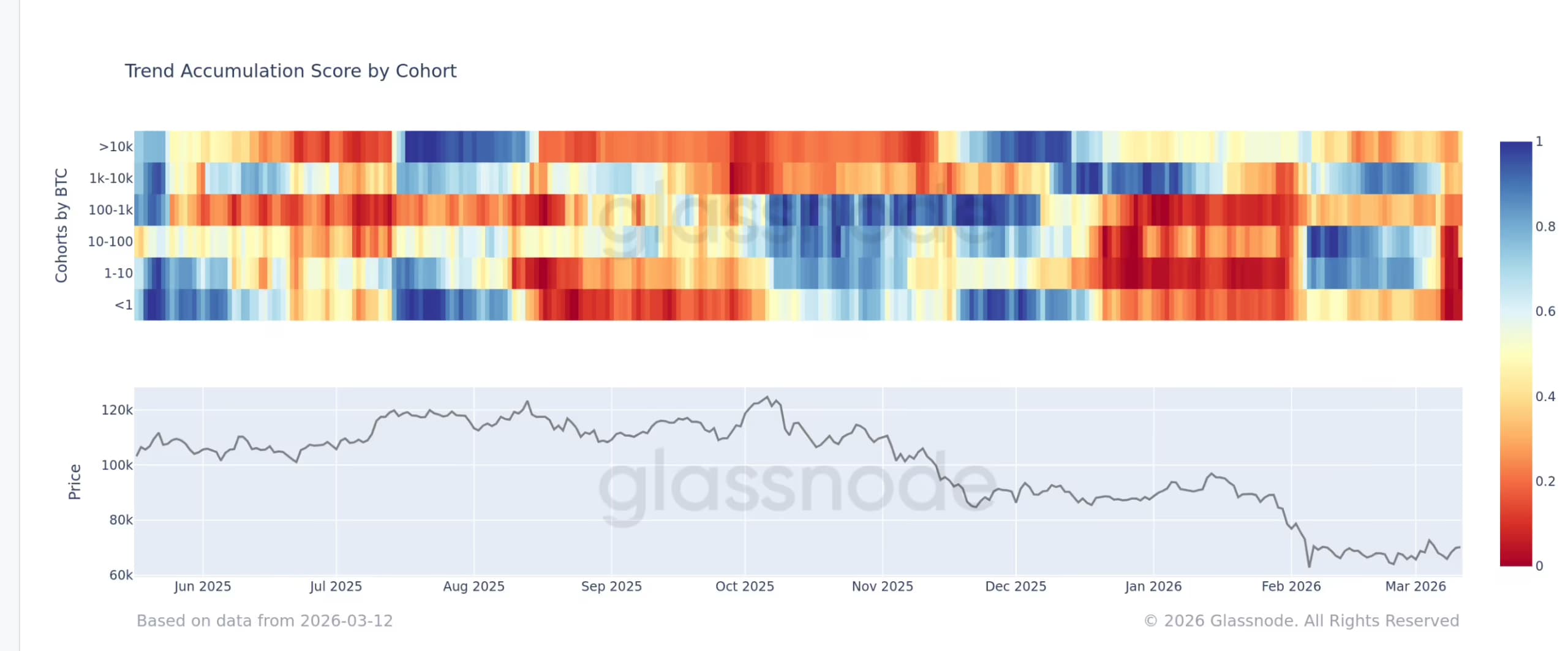
The cryptocurrency market often presents paradoxes, and Bitcoin's recent price action is a prime example. While on-chain data signals an uptick in selling pressure from various wallet cohorts, the flagship digital asset has stubbornly maintained its ground around the crucial $70,000 mark. This intriguing standoff between supply and demand has created a complex environment for traders and investors alike, prompting a deeper dive into the underlying market dynamics.
Decoding the Sellers: Who's Cashing In?
Analysis of on-chain metrics reveals that several types of Bitcoin holders have been distributing their coins:
- Short-Term Holders (STHs): Often characterized by holding BTC for less than 155 days, STHs are frequently seen taking profits after significant price rallies. Their selling activity contributes to immediate supply, especially as the price approaches or retests all-time highs.
- Miners: Bitcoin miners incur significant operational costs (electricity, hardware, infrastructure). As BTC's price appreciates, it's common for them to sell a portion of their mined coins to cover expenses, upgrade equipment, or secure profits, adding to the circulating supply.
- Long-Term Holders (LTHs) & Whales: While generally known for their conviction, even LTHs and large institutional holders (whales) engage in strategic rebalancing or de-risking. A portion might be selling to diversify portfolios, lock in substantial gains accumulated over years, or respond to shifts in macro-economic conditions. Their movements, though less frequent, can have a significant impact due to the sheer volume involved.
This widespread selling, spanning different market participants, would typically lead to a more pronounced price correction. However, Bitcoin's steadfastness around $70K suggests an equally powerful force at play.
The Unyielding Demand: Why $70K Holds Strong
The resilience of Bitcoin's price in the face of increased selling can be attributed to several robust demand drivers:
- Spot ETF Inflows: The approval and subsequent success of spot Bitcoin ETFs in the U.S. have opened the floodgates for institutional capital. Consistent daily inflows from these vehicles act as a significant absorption mechanism for any selling pressure, providing a steady stream of new demand.
- Retail Re-accumulation: Despite profit-taking by some, a strong contingent of retail investors continues to accumulate Bitcoin, viewing dips as buying opportunities. This grassroots demand provides a foundational layer of support.
- Pre-Halving Hype: With the Bitcoin halving event approaching, historical patterns suggest a period of increased interest and price appreciation leading up to and after the event. This narrative often fuels speculative demand and encourages accumulation.
- Macroeconomic Tailwinds: Expectations of potential interest rate cuts and broader liquidity injections into the financial system often make scarce assets like Bitcoin more attractive as a hedge against inflation or a store of value.
- Psychological Significance: The $70,000 level itself has become a significant psychological and technical battleground. Breaking and holding above it signals strong bullish sentiment, while defending it against selling pressure reinforces its strength as a support zone.
On-Chain Insights: A Supply-Demand Equilibrium
The beauty of on-chain analysis lies in its ability to reveal these intricate supply and demand dynamics in near real-time. Metrics tracking wallet balances, exchange flows, and realized profits/losses provide a transparent view of market participant behavior. What we're witnessing is a delicate equilibrium: significant supply coming onto the market is being met with equally significant, if not greater, demand. This balance prevents a steep decline and instead fosters a period of consolidation, suggesting that conviction among buyers remains high.
Implications for Traders and Investors
For those navigating the volatile crypto markets, this $70K standoff presents both opportunities and risks:
- Consolidation Phase: The market appears to be in a consolidation phase, absorbing supply before a potential next leg up. This can be a period of lower volatility but also a build-up of energy.
- Key Levels to Watch: Traders should closely monitor the $70,000 level as a pivotal point. Sustained breaks above $71,500-$72,000 could signal a move towards new all-time highs. Conversely, a decisive break below $68,000-$69,000 might indicate a retest of lower support zones, potentially around $65,000.
- Risk Management: Given the tug-of-war, volatility can increase rapidly. Implementing strict risk management strategies, including stop-loss orders and appropriate position sizing, is crucial.
- Confluence of Data: Smart traders will look beyond just price charts. Combining technical analysis with on-chain data and macroeconomic indicators can provide a more comprehensive view of market direction.
The Road Ahead: Navigating Volatility with Vigilance
Bitcoin's ability to absorb substantial selling pressure while maintaining a critical price level underscores the underlying strength of its ecosystem and the growing conviction among a diverse set of investors. As we approach the halving and continue to witness the impact of institutional adoption, the market is likely to remain dynamic. Traders should stay vigilant, adapt to evolving conditions, and leverage comprehensive analysis to make informed decisions in this fascinating period of Bitcoin's journey.
Source: 99Bitcoins
Ready to Trade Smarter?
Join thousands of traders using AI-powered signals, real-time analytics, and on-chain intelligence to stay ahead of the market.
Start Free — No Credit Card Needed