Unlocking Wall Street: Why Banks Urgently Need Crypto Regulatory Clarity
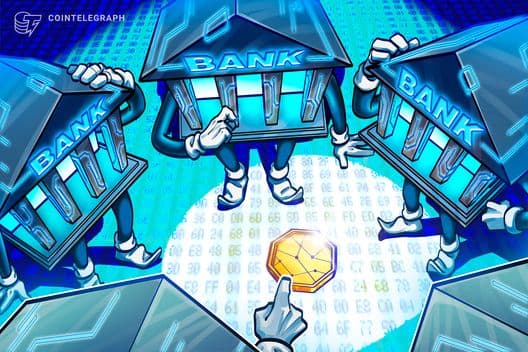
The Institutional Chasm: Bridging Traditional Finance and Crypto
The global financial landscape is undergoing a profound transformation, with digital assets at the forefront of innovation. Yet, despite the burgeoning interest and technological advancements within the crypto sector, traditional financial institutions (TradFi) like banks often remain on the sidelines, observing with caution. The primary barrier? A lack of clear, comprehensive regulatory frameworks. This sentiment was recently underscored by J. Christopher Giancarlo, former Chairman of the U.S. Commodity Futures Trading Commission (CFTC), who argued that regulatory clarity is paramount for banks, perhaps even more so than for crypto-native firms.
Why Banks Are Different: Navigating Legacy Regulations
Giancarlo's perspective sheds light on a critical distinction. While crypto-native companies often operate within a new paradigm, sometimes pushing the boundaries of existing laws, traditional banks are bound by decades, if not centuries, of stringent financial regulations. These institutions are custodians of vast amounts of client capital and operate under strict prudential rules designed to protect consumers and maintain financial stability. For them, engaging with a novel asset class like cryptocurrencies without explicit legal guidance isnifies immense risk.
- Risk Management: Banks must adhere to rigorous risk management protocols. Ambiguity around crypto assets – their classification, custody, and treatment under existing securities, commodities, or banking laws – creates unquantifiable legal and operational risks.
- Compliance Obligations: Anti-Money Laundering (AML), Know Your Customer (KYC), and sanctions compliance are non-negotiable for banks. Integrating crypto requires clear guidance on how these obligations apply to digital asset transactions and participants.
- Fiduciary Duties: Banks owe a fiduciary duty to their clients and shareholders. Without regulatory certainty, offering crypto services could be seen as an irresponsible venture, exposing the institution to legal challenges and reputational damage.
Unlike agile crypto startups that can adapt quickly or even operate in regulatory grey areas, banks require a clear green light from regulators before committing significant resources. They need to know precisely what is permissible, what is prohibited, and how to structure their operations to remain compliant.
The Ripple Effect: How Bank Engagement Benefits the Crypto Market
The call for regulatory clarity isn't just about protecting banks; it's about unlocking a tidal wave of institutional capital and expertise that could profoundly impact the entire crypto ecosystem. When banks can confidently enter the market, several positive outcomes are likely:
1. Increased Liquidity and Market Depth
Institutional participation brings substantial capital. Banks, through their custody services, trading desks, and investment arms, can inject billions into the crypto market, leading to deeper liquidity. This can reduce price volatility, make large trades less impactful, and create a more stable trading environment, which is attractive for both retail and sophisticated traders on platforms like NexCrypto.
2. Enhanced Legitimacy and Mainstream Adoption
When reputable financial institutions begin offering crypto services, it signals a powerful endorsement of the asset class. This legitimizes digital assets in the eyes of the broader public and corporate sector, accelerating mainstream adoption. It can also encourage other industries to explore blockchain solutions and tokenization.
3. Development of Sophisticated Financial Products
With banks involved, we can expect a new generation of sophisticated crypto-financial products. This might include regulated crypto ETFs, derivatives, lending products, and structured notes, providing traders with more diverse tools for hedging, speculation, and portfolio management.
4. Improved Infrastructure and Security Standards
Banks operate with extremely high security and operational standards. Their entry into the crypto space will likely drive innovation in secure custody solutions, robust trading infrastructure, and advanced cybersecurity measures, benefiting all market participants.
The Path Forward: A Coherent Regulatory Framework
The current regulatory landscape in the U.S. is often described as fragmented, with various agencies like the SEC, CFTC, and state banking regulators each claiming jurisdiction over different aspects of digital assets. This creates a patchwork of rules that is confusing for both crypto firms and traditional institutions.
What Giancarlo and many others advocate for is a harmonized, forward-looking regulatory framework that:
- Clearly defines different types of digital assets (e.g., securities, commodities, currencies).
- Establishes clear guidelines for custody, trading, and lending of crypto assets by regulated entities.
- Provides a pathway for banks to integrate blockchain technology into their existing operations for payments, settlements, and asset management.
Such a framework wouldn't stifle innovation but rather provide the guardrails necessary for responsible growth and integration. It would allow banks to confidently allocate resources, develop expertise, and ultimately, serve as a bridge between the traditional financial system and the burgeoning digital economy.
Conclusion: A Win-Win for Finance and Crypto
The demand for regulatory clarity for banks is not merely a bureaucratic hurdle; it's a fundamental requirement for the maturation of the digital asset market. By providing banks with the legal certainty they need, regulators can unlock immense institutional capital, foster innovation, and accelerate the mainstream adoption of cryptocurrencies. For traders and investors utilizing platforms like NexCrypto, this institutional embrace could signify a new era of stability, liquidity, and diverse trading opportunities, making the crypto market a more robust and integrated component of the global financial system.
Source: CoinTelegraph
Ready to Trade Smarter?
Join thousands of traders using AI-powered signals, real-time analytics, and on-chain intelligence to stay ahead of the market.
Start Free — No Credit Card Needed