Decentralization Triumphs: Balancer Protocol Endures as Labs Winds Down Post-$100M+ Exploit
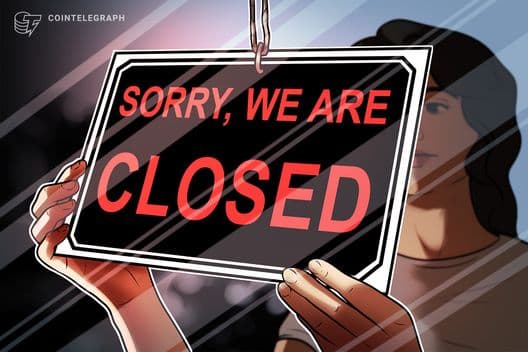
Balancer Labs Shuts Down: A Testament to DeFi's Unstoppable Code
In a significant development for the decentralized finance (DeFi) ecosystem, Balancer Labs, the company instrumental in developing the Balancer Protocol, has announced its decision to cease operations. This move comes roughly four months after the protocol experienced a substantial reentrancy vulnerability exploit in August 2023, which led to losses exceeding $100 million across various liquidity pools.
While the shuttering of a founding entity might typically signal the end for a project, the Balancer Protocol stands as a powerful counter-narrative. Due to its deeply decentralized architecture, open-source code, and strong community governance, the protocol is set to continue functioning independently. This event serves as a crucial case study, highlighting the distinction between a centralized development team and the immutable, community-driven nature of a truly decentralized protocol.
The Exploit's Shadow: A Catalyst for Change
The August 2023 exploit was a stark reminder of the inherent risks within DeFi, even for established protocols. The reentrancy vulnerability allowed attackers to drain funds from specific pools, causing significant financial damage and prompting immediate action from the Balancer team and whitehat hackers to mitigate further losses. While Balancer Labs worked diligently on recovery efforts and security enhancements in the aftermath, the long-term operational and financial strain likely contributed to the decision to wind down.
For traders and liquidity providers (LPs), such events are critical lessons in risk management. Understanding the security posture of a protocol, its audit history, and its response mechanisms to vulnerabilities is paramount. While no system is entirely impervious to attack, a protocol's resilience and community-driven recovery efforts are key indicators of its long-term viability.
Decentralization in Action: How a Protocol Survives Its Creator
The continued operation of the Balancer Protocol without Balancer Labs is a prime example of DeFi's core tenets at play:
- Open-Source Code: The Balancer Protocol's smart contracts are entirely open-source, meaning anyone can review, audit, and build upon them. This transparency fosters trust and allows a global community of developers to contribute.
- Community Governance (DAO): The Balancer Protocol is governed by its decentralized autonomous organization (DAO), controlled by holders of the BAL token. Through proposals and voting, the community makes decisions on protocol upgrades, parameter changes, and strategic direction. This ensures that the protocol's future is not dependent on a single company.
- Independent Contributors: Beyond Balancer Labs, numerous independent developers, auditors, and service providers have contributed to the Balancer ecosystem. These individuals and teams can continue to maintain, secure, and innovate on the protocol.
- Immutable Smart Contracts: Once deployed on the blockchain, the core smart contracts of the Balancer Protocol are immutable. They will continue to execute their programmed functions as long as the underlying blockchain exists, regardless of the status of any associated company.
Implications for Traders and Liquidity Providers
For those utilizing Balancer pools for swapping tokens or providing liquidity, the immediate impact of Balancer Labs' shutdown is minimal. The protocol's smart contracts continue to function as designed, and liquidity remains accessible. However, it's crucial for users to be aware of the shift in operational oversight:
- Continued Security Focus: While the founding lab is gone, the community and independent security researchers will continue to play a vital role in identifying and addressing potential vulnerabilities. Regular audits and bug bounty programs remain essential for protocol integrity.
- Governance Participation: BAL token holders now bear an even greater responsibility in actively participating in governance decisions. Their votes will shape the protocol's future, including security upgrades, new features, and economic parameters.
- Ecosystem Growth: Future innovation and development will likely be driven by grants, community initiatives, and other independent entities building on top of or alongside Balancer. This decentralized development model can lead to diverse and robust growth.
- Due Diligence: As always, traders and LPs should conduct thorough due diligence (DYOR) on any DeFi protocol. Understand the risks associated with providing liquidity, impermanent loss, and potential smart contract vulnerabilities. The absence of a central lab might shift the perceived locus of responsibility, making community vigilance even more critical.
The Broader Picture: DeFi's Evolving Landscape
The Balancer Labs situation serves as a powerful reminder of DeFi's promise: financial systems that are resilient, censorship-resistant, and not reliant on single points of failure. While the departure of a key development team can create uncertainty, it also forces the ecosystem to fully embrace its decentralized ethos.
This episode highlights the ongoing maturation of DeFi. Protocols are moving beyond their initial centralized incubation phases towards truly community-owned and operated models. For crypto traders and investors, understanding this dynamic is key to identifying robust, long-term opportunities within the decentralized space. Balancer's journey, from exploit to the continuation of its protocol, offers valuable insights into the resilience and future direction of decentralized finance.
Source: cointelegraph.com
Ready to Trade Smarter?
Join thousands of traders using AI-powered signals, real-time analytics, and on-chain intelligence to stay ahead of the market.
Start Free — No Credit Card Needed