Altcoin Avalanche: Decoding the Weekly Plunge and Navigating Bearish Tides
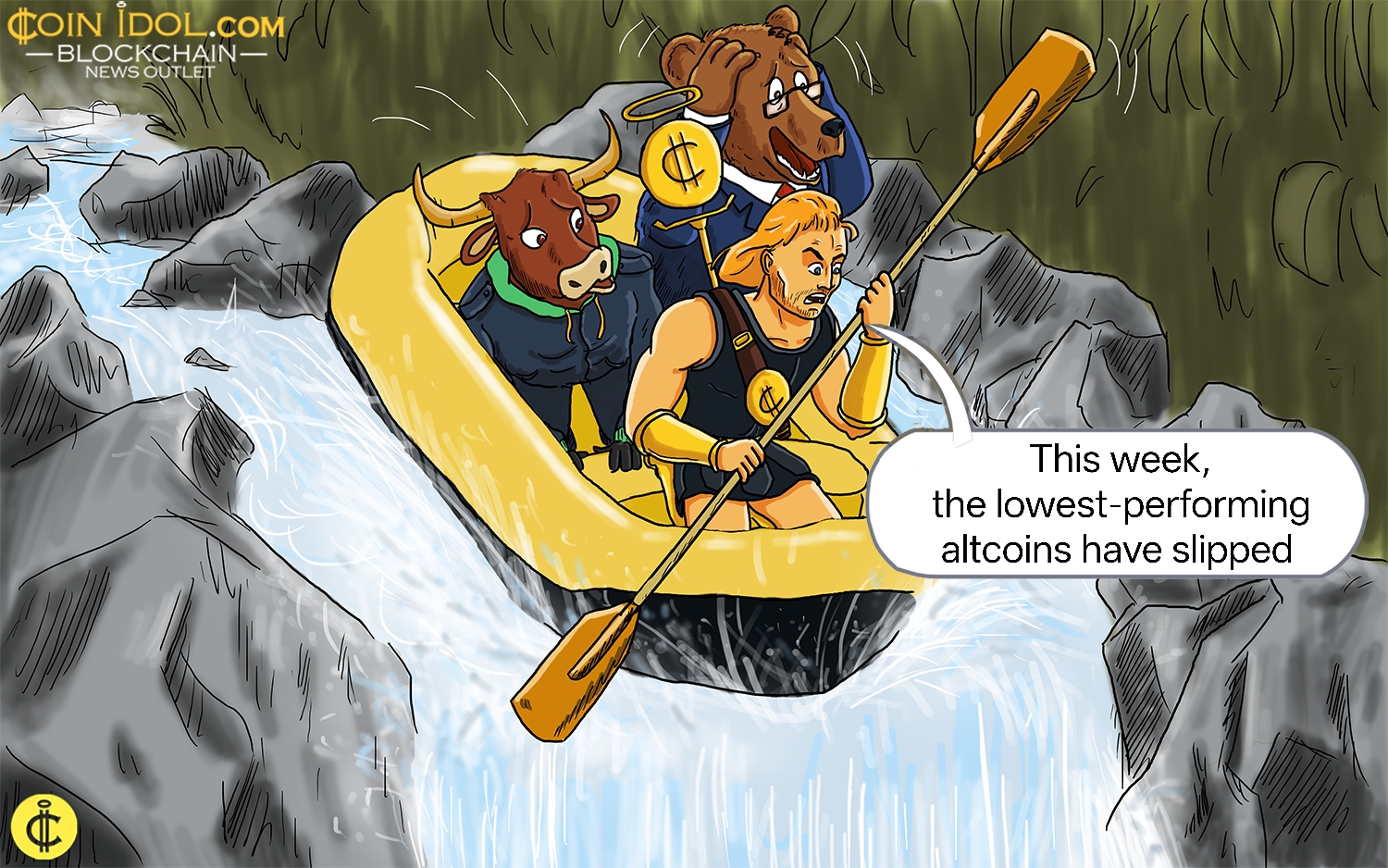
The Relentless Slide: Altcoins Under Pressure
The past week has painted a familiar picture for the broader cryptocurrency market, particularly for altcoins. While Bitcoin (BTC) has shown some resilience, or at least managed to consolidate within a range, the vast majority of alternative cryptocurrencies have struggled, breaking through key support levels and establishing new lows. This persistent bearish sentiment has left many traders questioning the immediate future of their altcoin portfolios.
From DeFi blue chips to emerging Layer 1s and meme coins, the selling pressure has been widespread. Volume often appears on downswings, indicating distribution rather than accumulation, a classic sign of a weakening market. This continuous erosion of value demands a closer look at the forces at play and how traders can adapt their strategies.
Understanding the Drivers Behind the Altcoin Downturn
Several interconnected factors are contributing to the current altcoin weakness. Understanding these can help traders make more informed decisions.
1. Bitcoin Dominance and Liquidity Drain
Historically, when Bitcoin shows signs of stability or begins an upward move from a local bottom, it often siphons liquidity from altcoins. Investors and traders tend to de-risk by moving capital into BTC, which is perceived as a safer, less volatile asset within the crypto ecosystem. This phenomenon, known as increasing Bitcoin Dominance, leaves altcoins vulnerable to deeper corrections.
2. Macroeconomic Headwinds
The broader global economic landscape continues to exert significant pressure on risk assets, and cryptocurrencies are no exception. Persistent inflation, rising interest rates, geopolitical tensions, and fears of a looming recession are prompting investors to reduce exposure to speculative assets. This 'risk-off' sentiment disproportionately affects altcoins, which are generally considered higher-risk than Bitcoin.
3. Regulatory Uncertainty and Scrutiny
Ongoing regulatory discussions and actions in major jurisdictions contribute to market apprehension. Uncertainty surrounding classification, enforcement actions, and potential new frameworks can deter institutional investment and lead to a cautious approach from retail traders, particularly concerning smaller, less established altcoins.
4. Lack of Fresh Capital and Innovation Hype
During prolonged bear markets, the influx of new capital tends to slow down significantly. Without fresh liquidity and compelling new narratives or technological breakthroughs to drive speculative interest, altcoins struggle to find buying pressure. The 'hype cycle' that often fuels altcoin rallies is largely absent in current conditions.
5. Technical Breakdowns and Capitulation
On the charts, many altcoins have breached significant long-term support levels. Once these psychological and technical barriers are broken, it can trigger stop-losses and panic selling, leading to cascading liquidations and accelerating the downward trend. This can often lead to capitulation events where weak hands exit the market en masse.
Navigating the Bearish Altcoin Market: Strategies for Traders
For traders subscribed to NexCrypto signals, understanding the broader market context is crucial. While individual signals provide specific entry/exit points, adapting your overall strategy to the current altcoin weakness is paramount.
1. Prioritize Risk Management
- Strict Stop-Losses: Never trade without a predefined stop-loss. In volatile, bearish markets, prices can move against you rapidly.
- Smaller Position Sizes: Reduce the size of your trades to limit potential losses if the market continues its downward trend.
- Capital Preservation: Focus on protecting your capital above all else. A bear market is an excellent time to hone your risk management skills.
2. Focus on Bitcoin's Price Action
Bitcoin often acts as the market's bellwether. Pay close attention to BTC's key support and resistance levels. A sustained recovery in Bitcoin could signal a potential, albeit temporary, relief rally for altcoins. Conversely, a significant drop in BTC will almost certainly drag altcoins down further.
3. Identify Strong Fundamentals and Long-Term Value
While speculative altcoins suffer most in a downturn, projects with strong fundamentals, active development, real-world utility, and robust communities may present long-term accumulation opportunities for patient investors. Conduct thorough due diligence beyond price action.
4. Look for Potential Reversal Signals (with Caution)
While the overall trend is down, temporary bounces or relief rallies do occur. Look for technical indicators such as:
- Volume Spikes on Green Candles: A sudden surge in buying volume after a prolonged downtrend could indicate accumulating interest.
- Bullish Divergences: When price makes lower lows but an oscillator (like RSI or MACD) makes higher lows.
- Retesting Key Support as Resistance: A common pattern where a broken support level is retested from below before continuing downwards. This can also be a shorting opportunity.
Always confirm these signals with other indicators and market context. False breakouts are common in bear markets.
5. Consider Stablecoins and Cash
Sometimes, the best position is no position. Holding stablecoins or fiat currency allows you to preserve capital and be ready to deploy it when clearer opportunities arise or market sentiment shifts. Patience is a virtue in a bear market.
The Road Ahead: Vigilance is Key
The current altcoin market environment demands vigilance, discipline, and a well-defined trading plan. While the immediate outlook appears challenging, bear markets are also periods of significant revaluation and opportunity for those prepared to act strategically. NexCrypto will continue to provide signals and analysis to help you navigate these turbulent waters. Stay informed, stay disciplined, and always prioritize your risk management.
Ready to Trade Smarter?
Join thousands of traders using AI-powered signals, real-time analytics, and on-chain intelligence to stay ahead of the market.
Start Free — No Credit Card Needed